プログラム
| Time | Route 2 · Trà Vinh |
|---|---|
| 07:30–08:30 | Trà Vinh Local Life |
| 08:30–09:30 | Transfer to Sokfarm |
| 09:30–11:30 | Khmer Livelihood Technique |
| 11:30–12:00 | Transfer to lunch spot |
| 12:00–13:30 | Lunch |
| 13:30–17:30 | Return to HCMC |
| Evening | Accommodation in HCMC |
WED 23 SEPTEMBER 2026 · Route 2 / Trà Vinh
| Time | Route 2 · Trà Vinh |
|---|---|
| 07:30–08:30 | Trà Vinh Local Life |
| 08:30–09:30 | Transfer to Sokfarm |
| 09:30–11:30 | Khmer Livelihood Technique |
| 11:30–12:00 | Transfer to lunch spot |
| 12:00–13:30 | Lunch |
| 13:30–17:30 | Return to HCMC |
| Evening | Accommodation in HCMC |
Day 3の市場観察(5つのTraceと写真)・交差点の入力原文・Sokfarmの整理記録を追加。各記録は配布プログラムの該当枠に配置しています。市場観察の個別時刻は確定しておらず、昼食・帰路などの記録未取得区間は予定として残しています。Day 3 adds five market traces and photos, the original intersection observation and Sokfarm notes, placed in their programme slots. Individual market observation times are unconfirmed. Lunch, return travel and other intervals without records remain scheduled entries.
07:30–08:30 · Trà Vinh Local Life
この日の市場歩きでは、大量に撮ることから、少数の写真を撮り、その直後に感覚を言葉にする方法へと更新した。集合は8:30。色や形だけでなく、匂い、音、歓迎される感覚、自分が見られる感覚までを写真と結びつけて残す。The market walk shifted from taking many photos to taking fewer and immediately describing the sensations they prompted. The group was to meet at 8:30. The records connect photographs with smells, sounds, feelings of welcome and being watched, as well as colour and form.
以下の5つのTraceは、Day 3チャットから取得できた整理内容をもとに再編集。交差点の観察のみ、取得できた入力原文を末尾にそのまま収録しています。These five traces were edited from the retrieved Day 3 notes. Only the intersection observation includes the directly retrieved original input at the end.
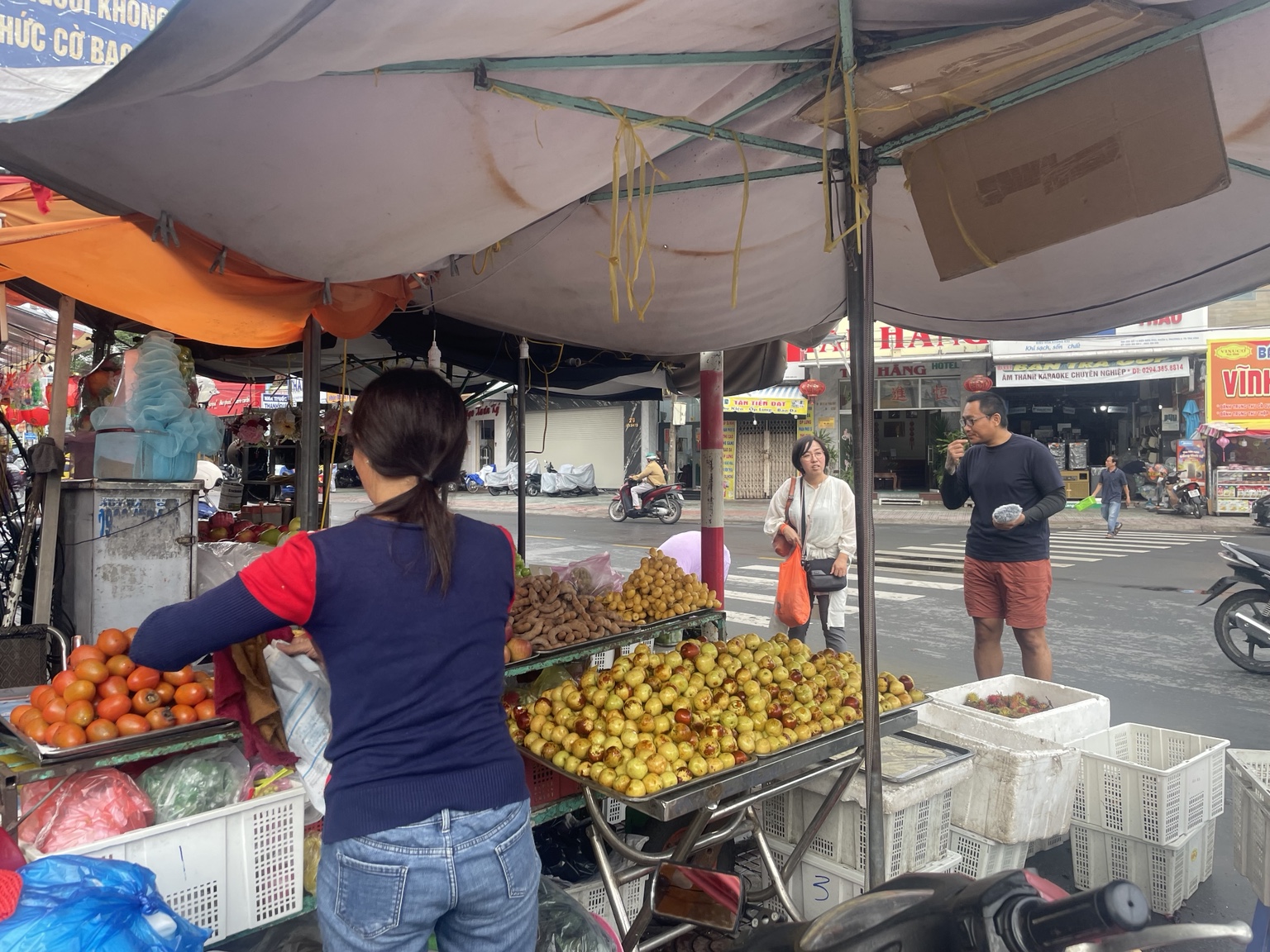
市場入口の果物屋では、並ぶ果物のカラフルな色と強い匂いが印象に残った。記録には「歓迎されているような感じ」がある。品物の種類だけでなく、場所に入るときの身体の反応が観察の中心になっている。The fruit stall at the market entrance left an impression of vivid colours and strong smells, with a feeling of being welcomed. The focus is not simply the produce but the body’s response to entering the place.
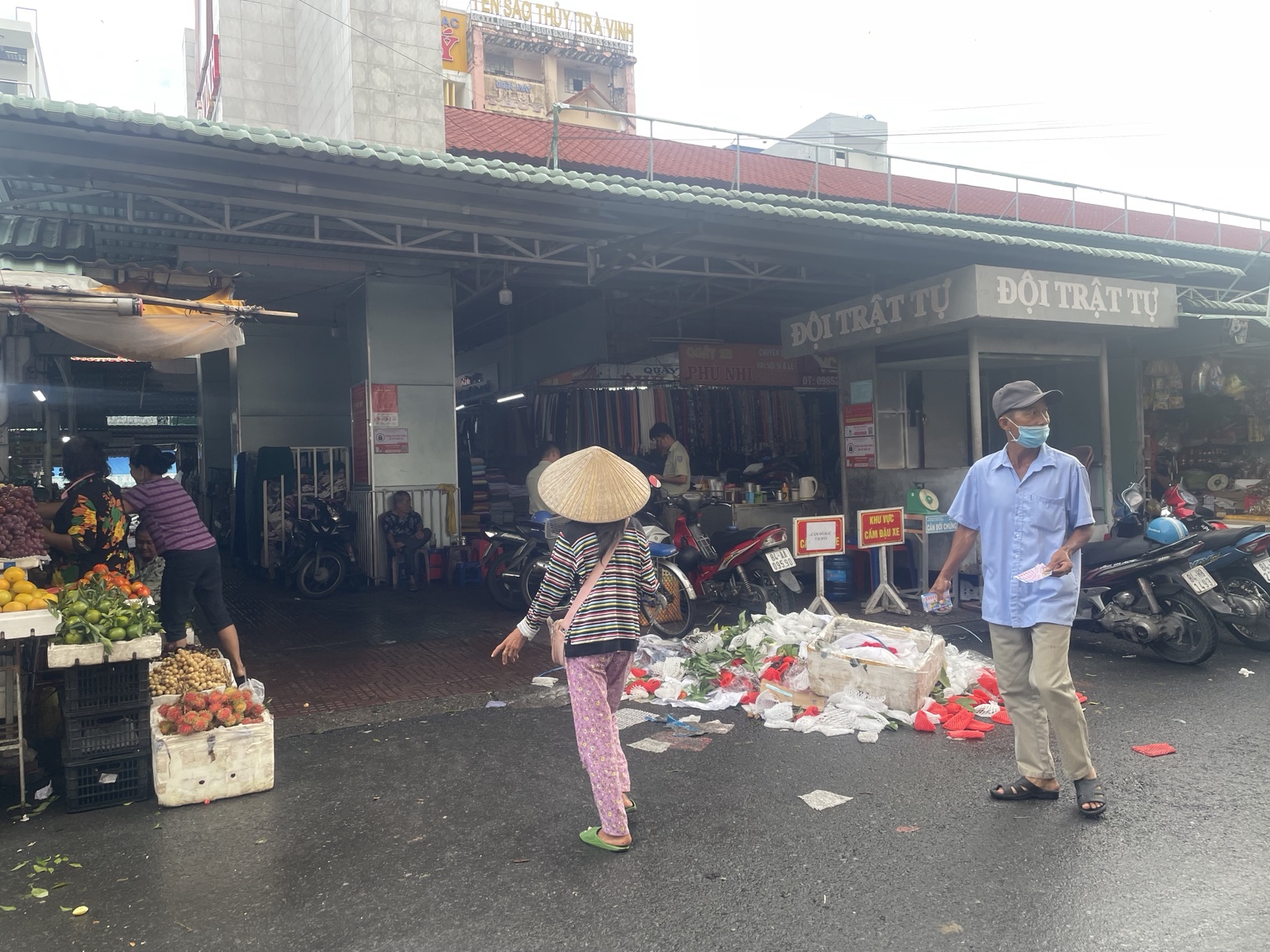
道端に積まれたゴミの山が、展示のように見えたという観察。果物の匂いと、日本での感覚との対比が記録されている。この印象は観察者自身の経験として残し、地域全体の衛生や価値観の評価へは広げない。A pile of roadside rubbish appeared like an exhibition. The record contrasts the smell of fruit and experiences in Japan. This remains the observer’s personal impression, not a judgment about the region’s hygiene or values.
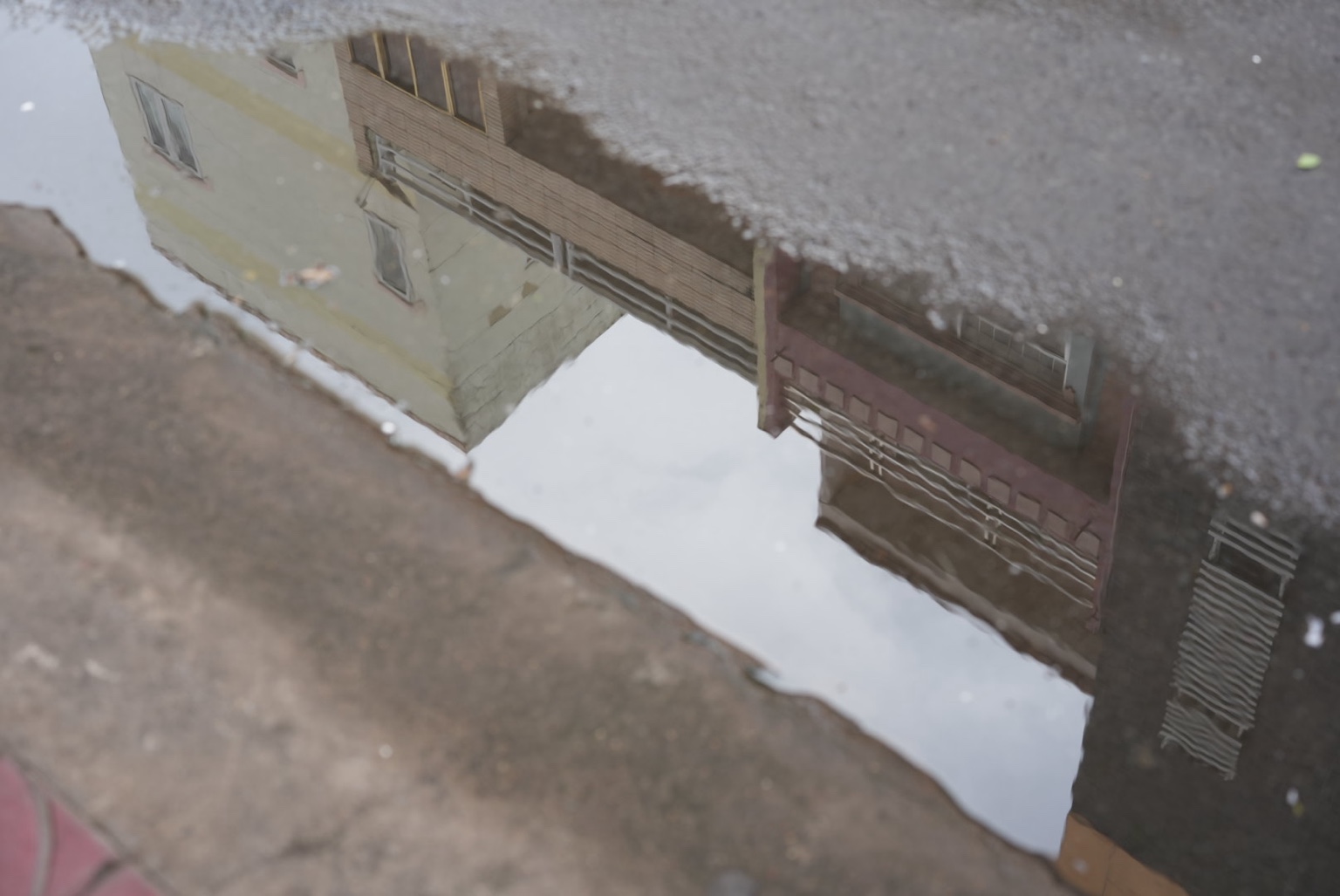
住宅街の水たまりには家や顔、バイクが映り込む。「水に見られている」という感覚が記録された。匂いは中立的だったという。水を対象として見るだけでなく、水面の反射によって自分と周囲が映し返される経験として捉えている。A neighbourhood puddle reflected houses, faces and motorbikes, producing a feeling of being watched by water. Its smell was described as neutral. The experience involved not only looking at water but seeing oneself and the surroundings reflected back.
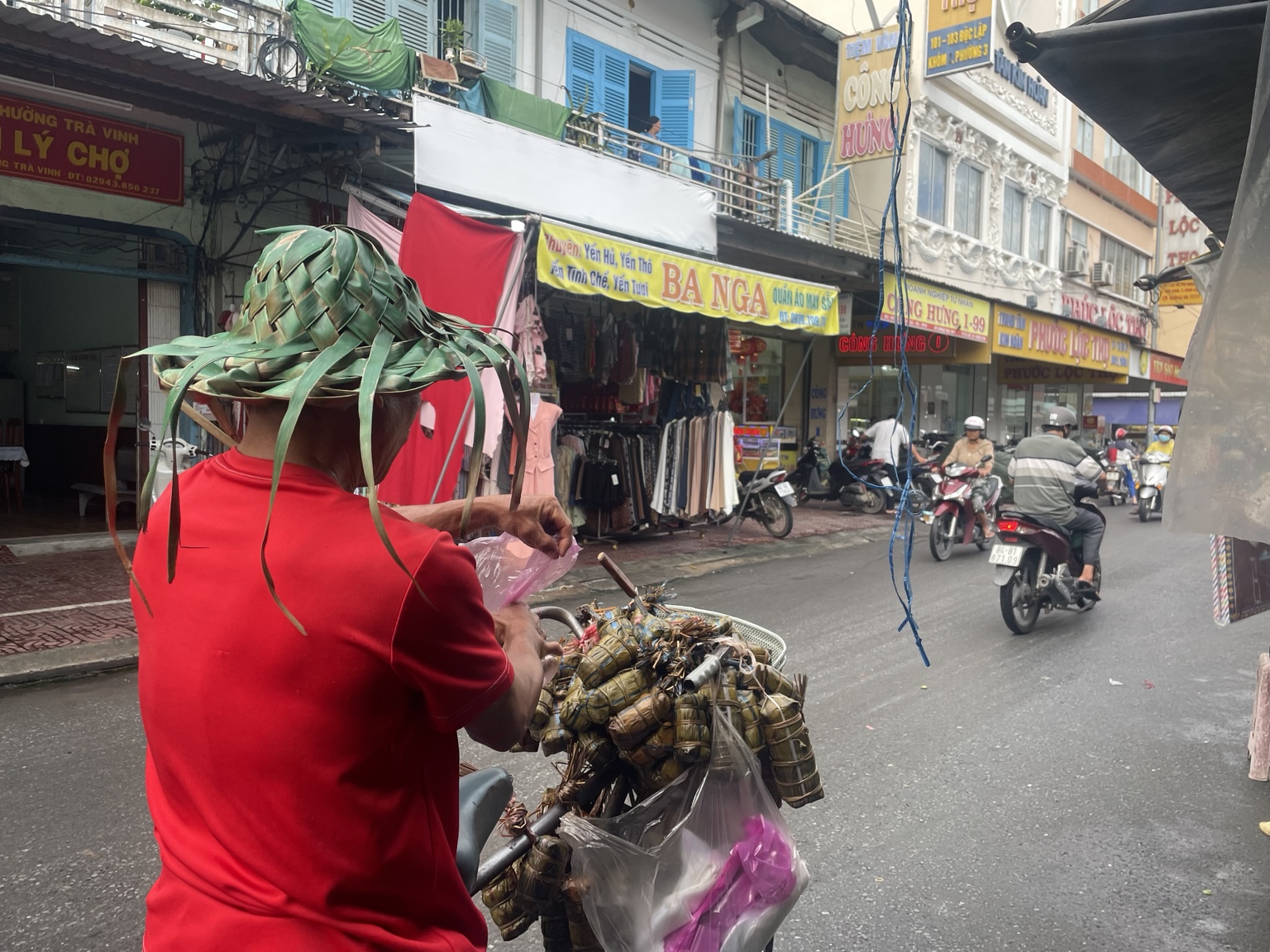
草編みの帽子をかぶった、ちまきを売る男性を記録。BGMの「バンバン…おー」という響きと本人の掛け声が印象に残った。写真に残る帽子や食べ物に加え、その場の音を言葉で残すことで、静止画だけでは拾えない経験を記録している。A rice-dumpling seller in a woven grass hat was recorded. The “bang bang … oh” of background music and his calls stood out. Describing sounds alongside the photographed hat and food captures experiences a still image alone cannot hold.
チームのテーマであるConfluencing(合流する)を、市場周辺の十字路で観察した。人と乗り物が交差し、合流し、また離れていく。印象的だったのは、互いの間合いを読みながら、ぶつからず水のように滑らかに流れていく様子だった。人の声とバイク・自動車などの機械音も重なっていた。The group’s theme, Confluencing, was observed at a crossroads near the market. People and vehicles crossed, merged and separated. They seemed to read one another’s spacing and flow smoothly like water without colliding, accompanied by voices and the sounds of motorbikes, cars and other machinery.
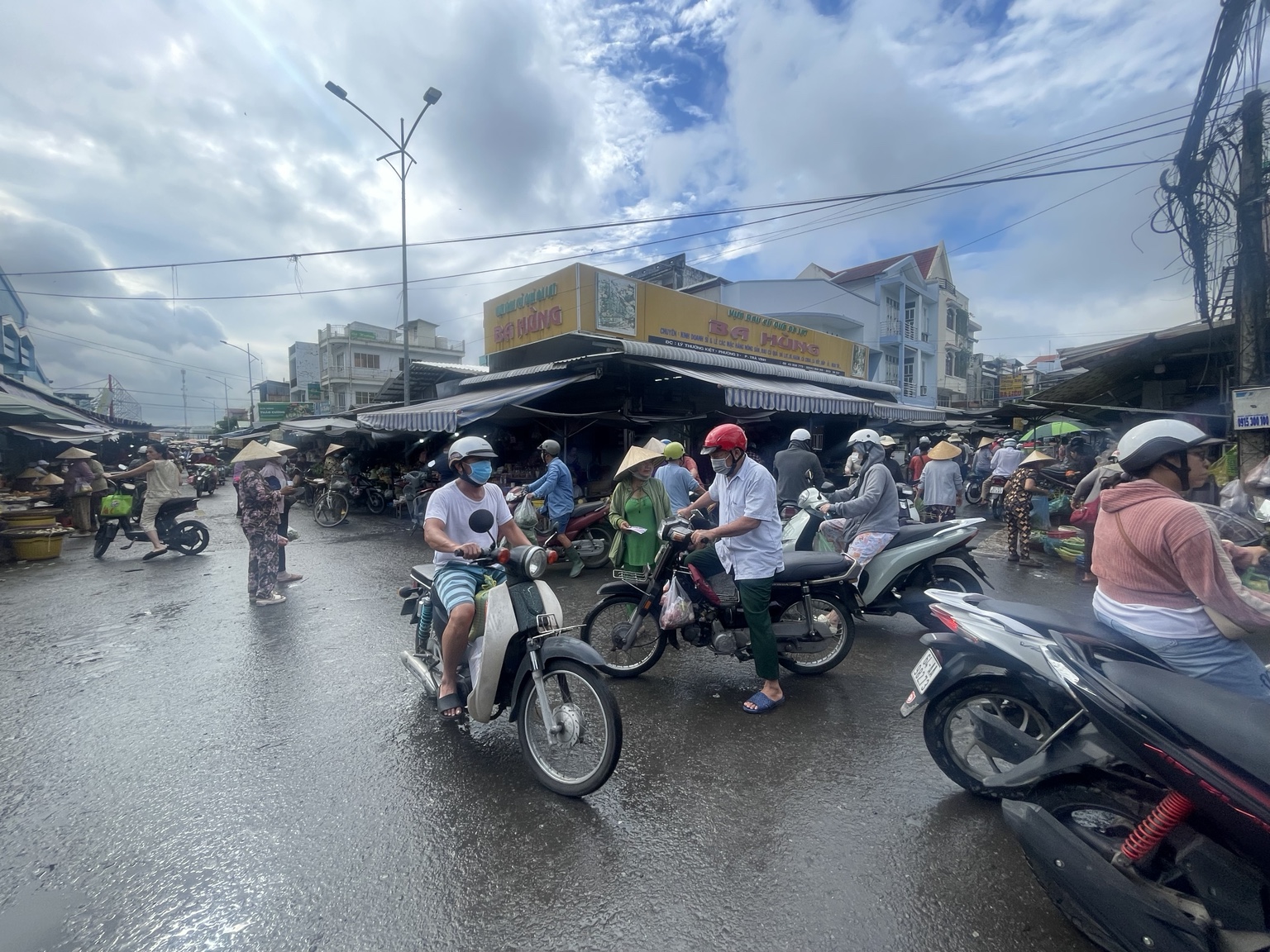
合流は、すべてが一つになって止まる状態ではない。異なる速度や方向を持つ人・乗り物・音が、そのつど応答しながら一時的な秩序をつくり、再び分岐する。これは交差点の観察に対する編集上の整理であり、交通の仕組みを実証した結論ではない。Confluence is not everything becoming one and stopping. People, vehicles and sounds moving at different speeds and in different directions respond to one another, form temporary order and diverge again. This is an editorial interpretation of the observation, not an empirical conclusion about traffic systems.
山田の入力文をそのまま収録。「電車」「自転」などの表記も保持し、写真だけから乗り物の種別を補正していません。Suika’s input is reproduced as written, including the words for “train” and the incomplete “bicy…”. Vehicle types have not been corrected from the photograph alone.
我々のチームのテーマがコンフルエンシング、合流するなので、市場の中心の方なのかな、ちょっと歩いたところにある十字路、交差点を撮りました。バイクと人と電車がみんな交差して合流してまた離れていくっていう場所なんですけど。まるで水の流れのようにみんな滑らかにぶつかることなく、こう間合いを見ながらうまく流れていく感じがすごく印象的ですね。すごい、あの、人の音も、人の声とか機械の音とか、バイク、自転、自動車の音とかすごいです。Our team’s theme is Confluencing—coming together—so I photographed a crossroads a little way into what may be the centre of the market. Motorbikes, people and a train all cross, merge and separate again. What struck me was how smoothly they flow, like water, without colliding, reading one another’s spacing. There is so much sound: human voices, machinery, motorbikes, bicy… cars.他チャットから取得できた要約に基づく編集文です。文字起こし原文ではありません。An edited account based on summaries retrieved from other chats, not an original transcript.
撮影方法:大量撮影から、少数撮影+直後の感覚記録へ。

01 / 果物屋 — 色と匂いに迎えられる
市場入口の果物屋では、並ぶ果物のカラフルな色と強い匂いが印象に残った。記録には「歓迎されているような感じ」がある。品物の種類だけでなく、場所に入るときの身体の反応が観察の中心になっている。

02 / 道端のゴミ — 展示のように見える
道端に積まれたゴミの山が、展示のように見えたという観察。果物の匂いと、日本での感覚との対比が記録されている。この印象は観察者自身の経験として残し、地域全体の衛生や価値観の評価へは広げない。

03 / 水たまり — 見る/見られる
住宅街の水たまりには家や顔、バイクが映り込む。「水に見られている」という感覚が記録された。匂いは中立的だったという。水を対象として見るだけでなく、水面の反射によって自分と周囲が映し返される経験として捉えている。

04 / ちまき売り — 帽子、声、リズム
草編みの帽子をかぶった、ちまきを売る男性を記録。BGMの「バンバン…おー」という響きと本人の掛け声が印象に残った。写真に残る帽子や食べ物に加え、その場の音を言葉で残すことで、静止画だけでは拾えない経験を記録している。

05 / 交差点 — Confluencing
チームのテーマであるConfluencing(合流する)を、市場周辺の十字路で観察した。人と乗り物が交差し、合流し、また離れていく。印象的だったのは、互いの間合いを読みながら、ぶつからず水のように滑らかに流れていく様子だった。人の声とバイク・自動車などの機械音も重なっていた。
English companion notes for this section (edited, not a verbatim transcript):
Walking the market — sensory traces and confluence
Changing the way we photograph
The market walk shifted from taking many photos to taking fewer and immediately describing the sensations they prompted. The group was to meet at 8:30. The records connect photographs with smells, sounds, feelings of welcome and being watched, as well as colour and form.
These five traces were edited from the retrieved Day 3 notes. Only the intersection observation includes the directly retrieved original input at the end.
01 / Fruit stall — welcomed by colour and smell
The fruit stall at the market entrance left an impression of vivid colours and strong smells, with a feeling of being welcomed. The focus is not simply the produce but the body’s response to entering the place.
Fruit stall at the entrance: colour, smell and welcome.
02 / Roadside rubbish — like an exhibition
A pile of roadside rubbish appeared like an exhibition. The record contrasts the smell of fruit and experiences in Japan. This remains the observer’s personal impression, not a judgment about the region’s hygiene or values.
Packaging and other material gathered beside the market road.
03 / Puddle — seeing and being seen
A neighbourhood puddle reflected houses, faces and motorbikes, producing a feeling of being watched by water. Its smell was described as neutral. The experience involved not only looking at water but seeing oneself and the surroundings reflected back.
Buildings and a motorbike reflected in a road puddle.
Additional Day 3 puddle photo, linked to the reflection observation.
04 / Rice-dumpling seller — hat, voice and rhythm
A rice-dumpling seller in a woven grass hat was recorded. The “bang bang … oh” of background music and his calls stood out. Describing sounds alongside the photographed hat and food captures experiences a still image alone cannot hold.
A man in a woven hat selling leaf-wrapped food.
05 / Intersection — Confluencing
The group’s theme, Confluencing, was observed at a crossroads near the market. People and vehicles crossed, merged and separated. They seemed to read one another’s spacing and flow smoothly like water without colliding, accompanied by voices and the sounds of motorbikes, cars and other machinery.
An intersection near the market: people and motorbikes merge and separate.
Reading the observations
Confluence is not everything becoming one and stopping. People, vehicles and sounds moving at different speeds and in different directions respond to one another, form temporary order and diverge again. This is an editorial interpretation of the observation, not an empirical conclusion about traffic systems.
Key points
The records moved through fruit colours and smells, rubbish, reflections, sellers’ voices and the intersection’s flow. Writing sensations immediately after photographing connected images with bodily experience. Confluencing appeared as merging and diverging while adjusting to one another’s spacing.
Copy
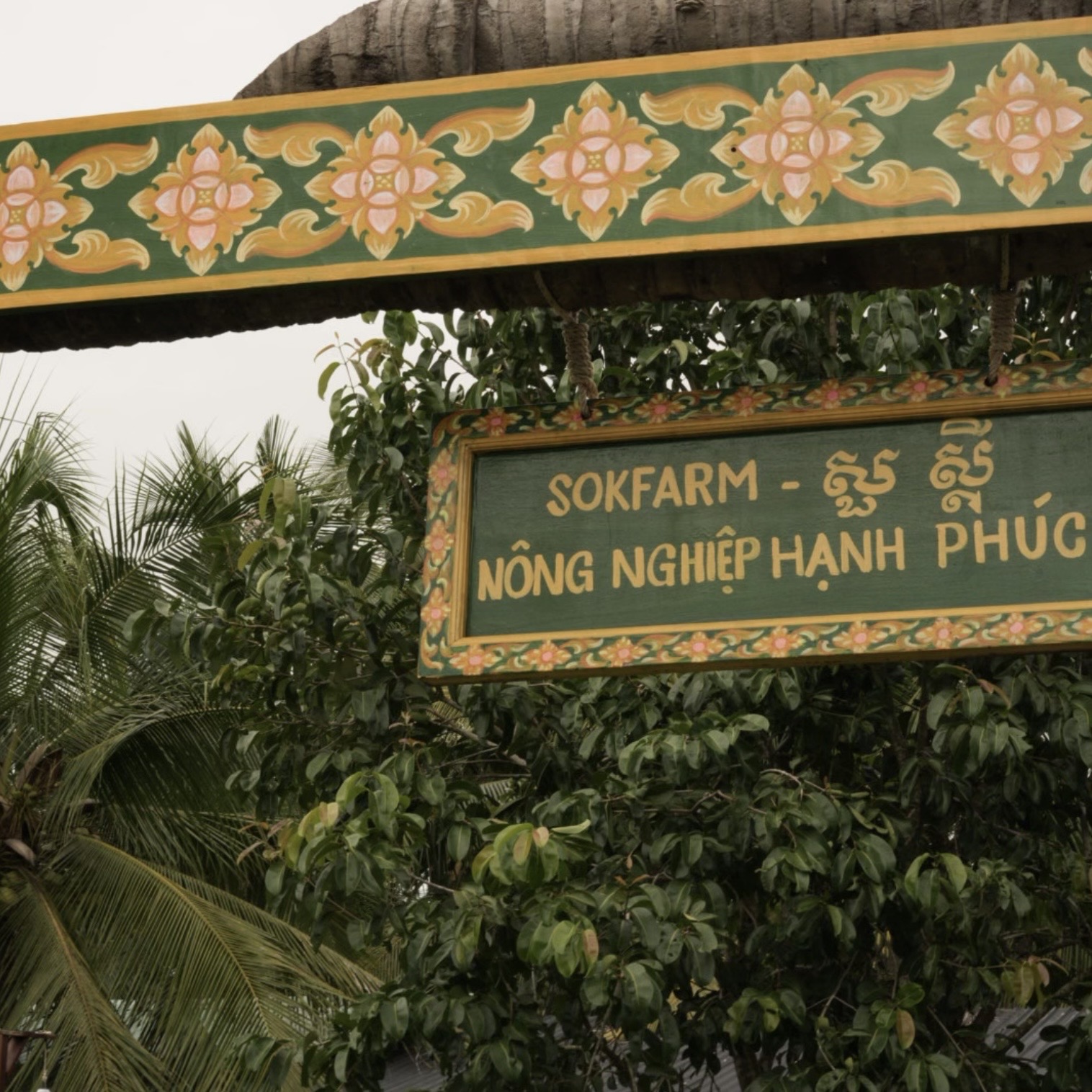
Copy09:30–11:30 · Khmer Livelihood Technique
山田指定のSokfarm訪問地点 ↗(オンライン)Sokfarm location specified by Suika ↗ (online)
Day 3チャットで作成された統合整理と採取現場の整理から再構成。以下の年・人数・生産量・認証は現地で説明された内容として記録し、現在の企業情報として再検証したものではありません。Reconstructed from the consolidated Day 3 and harvesting-site notes. Years, headcounts, volumes and certifications below are recorded as explanations given on site, not reverified as current company information.
Sokfarmは2019年創業として紹介された。Katieと夫が、塩水侵入や干ばつでココナッツの果実が小さくなったり、中身が十分に育たなくなったりする状況に向き合い、収穫する価値を「実」から「花蜜」へ切り替えた。クメールの知を再発見し、現在の生業と事業につなぎ直す取り組みとして整理されている。Sokfarm was introduced as founded in 2019. Katie and her husband responded to salt intrusion and drought that left coconuts small or poorly developed by shifting harvest value from fruit to flower nectar. The notes describe a rediscovery of Khmer knowledge and its reconnection with contemporary livelihoods and business.
現地の説明では、メコンデルタの約1,700万人の暮らし、水門、3〜6か月に及ぶ季節的な塩害が背景として語られた。ここでの問いは、従来どおり果実を生産する条件を取り戻すことだけでなく、変化した環境のもとで、既存の木と地域の技術から何を生み出せるかということだった。The explanation referred to around 17 million people in the delta, sluice gates and three to six months of seasonal salinity. The question was not only how to restore fruit-growing conditions, but what existing trees and local skills could produce within a changed environment.
採取現場では、花序を毎日撫でるように刺激し、通常は1日2回採取するという説明があった。取得できた整理には「花1本から1日約1〜1.5L」「約25〜30日のサイクル」とある。花そのものは甘くなく、採れたnectarが甘いという違いも説明された。量・期間の詳細な条件や単位は原文未取得のため、この整理以上には確定していない。At the harvesting site, flower stalks were described as gently stimulated each day and usually harvested twice daily. Retrieved notes report about 1–1.5 litres per flower per day and a 25–30-day cycle. The flower itself is not sweet, but the collected nectar is. Conditions and units cannot be established more precisely without the original transcript.
農家によるorganic管理と、花蜜から砂糖、nectar、aminos、vinegarなどへ展開する加工が紹介された。国内外のB2C・B2Bの両方で販売し、USDA・EU・JASのorganic認証についても説明された。害虫対策に塩を使うという記録もあるが、用法の詳細は取得できていない。The presentation covered farmers’ organic management and processing into sugar, nectar, aminos and vinegar, sold through domestic and international B2C and B2B channels. USDA, EU and JAS organic certifications were discussed. Salt was mentioned for pest management, but detailed use was not retrieved.
説明時点の規模として、約150農家、約300人の採取者、95人の従業員が挙げられた。農家所得は3〜5倍になるという説明があったが、比較対象や算定条件は今回取得できた記録では確認できない。花蜜の技術だけでなく、採取する人、加工する人、販売先をつなぐ事業として紹介されている。The scale given at the time was about 150 farmers, 300 harvesters and 95 employees. Farmer income was said to rise three- to five-fold, though the comparison and calculation conditions are unavailable. The business connects harvesters, processors and markets as well as nectar techniques.
Soc Schoolは2023年6月1日に始まったと説明された。4〜14歳の子ども40人超に、週3回、無料で英語とsoft skillsを学ぶ機会を提供している。事業の活動は製品と所得にとどまらず、地域の子どもたちの学びにも及ぶ。Soc School was said to have begun on 1 June 2023, offering more than 40 children aged 4–14 free English and soft-skills learning three times weekly. The business extends beyond products and income into local children’s learning.
2030年に向けて、面積を60haから300haへ広げ、約1,000農家との関わりを目指すという計画が紹介された。これは訪問時に語られた目標であり、達成済みの規模ではない。Plans described expansion from 60 to 300 hectares and engagement with roughly 1,000 farmers by 2030. These were targets stated during the visit, not achievements already reached.
既存の整理にはGI 41〜43という商品説明もあります。対象製品や測定条件を確認できていないため、ここでは現地説明の数値としてのみ保持します。Existing notes also report a GI of 41–43. The product and measurement conditions are unconfirmed, so this is retained only as a claim made on site.
編集済みの整理記録です。英語・ベトナム語の文字起こし原文は今回取得できていません。These are edited notes. The original English and Vietnamese transcripts were not retrieved for this update.
創業 — 果実から花蜜へ
Sokfarmは2019年創業として紹介された。Katieと夫が、塩水侵入や干ばつでココナッツの果実が小さくなったり、中身が十分に育たなくなったりする状況に向き合い、収穫する価値を「実」から「花蜜」へ切り替えた。クメールの知を再発見し、現在の生業と事業につなぎ直す取り組みとして整理されている。

背景 — 水の変化と生業
現地の説明では、メコンデルタの約1,700万人の暮らし、水門、3〜6か月に及ぶ季節的な塩害が背景として語られた。ここでの問いは、従来どおり果実を生産する条件を取り戻すことだけでなく、変化した環境のもとで、既存の木と地域の技術から何を生み出せるかということだった。

採取現場 — 毎日の身体的な手入れ
採取現場では、花序を毎日撫でるように刺激し、通常は1日2回採取するという説明があった。取得できた整理には「花1本から1日約1〜1.5L」「約25〜30日のサイクル」とある。花そのものは甘くなく、採れたnectarが甘いという違いも説明された。量・期間の詳細な条件や単位は原文未取得のため、この整理以上には確定していない。

栽培と加工 — 花蜜を複数の製品へ
農家によるorganic管理と、花蜜から砂糖、nectar、aminos、vinegarなどへ展開する加工が紹介された。国内外のB2C・B2Bの両方で販売し、USDA・EU・JASのorganic認証についても説明された。害虫対策に塩を使うという記録もあるが、用法の詳細は取得できていない。

農家との協働と雇用
説明時点の規模として、約150農家、約300人の採取者、95人の従業員が挙げられた。農家所得は3〜5倍になるという説明があったが、比較対象や算定条件は今回取得できた記録では確認できない。花蜜の技術だけでなく、採取する人、加工する人、販売先をつなぐ事業として紹介されている。

Soc School — 次世代の学び
Soc Schoolは2023年6月1日に始まったと説明された。4〜14歳の子ども40人超に、週3回、無料で英語とsoft skillsを学ぶ機会を提供している。事業の活動は製品と所得にとどまらず、地域の子どもたちの学びにも及ぶ。

今後の目標
2030年に向けて、面積を60haから300haへ広げ、約1,000農家との関わりを目指すという計画が紹介された。これは訪問時に語られた目標であり、達成済みの規模ではない。

補足:既存整理にGI 41〜43の記載あり。対象製品・測定条件は未確認。
English companion notes for this section (edited, not a verbatim transcript):
Sokfarm — coconut nectar and Khmer livelihood knowledge
Sokfarm location specified by Suika ↗ (online)
Reconstructed from the consolidated Day 3 and harvesting-site notes. Years, headcounts, volumes and certifications below are recorded as explanations given on site, not reverified as current company information.
Origins — from fruit to nectar
Sokfarm was introduced as founded in 2019. Katie and her husband responded to salt intrusion and drought that left coconuts small or poorly developed by shifting harvest value from fruit to flower nectar. The notes describe a rediscovery of Khmer knowledge and its reconnection with contemporary livelihoods and business.
Context — changing water and livelihoods
The explanation referred to around 17 million people in the delta, sluice gates and three to six months of seasonal salinity. The question was not only how to restore fruit-growing conditions, but what existing trees and local skills could produce within a changed environment.
Harvesting — daily bodily care
At the harvesting site, flower stalks were described as gently stimulated each day and usually harvested twice daily. Retrieved notes report about 1–1.5 litres per flower per day and a 25–30-day cycle. The flower itself is not sweet, but the collected nectar is. Conditions and units cannot be established more precisely without the original transcript.
Growing and processing — multiple products from nectar
The presentation covered farmers’ organic management and processing into sugar, nectar, aminos and vinegar, sold through domestic and international B2C and B2B channels. USDA, EU and JAS organic certifications were discussed. Salt was mentioned for pest management, but detailed use was not retrieved.
Farmer collaboration and employment
The scale given at the time was about 150 farmers, 300 harvesters and 95 employees. Farmer income was said to rise three- to five-fold, though the comparison and calculation conditions are unavailable. The business connects harvesters, processors and markets as well as nectar techniques.
Soc School — learning for the next generation
Soc School was said to have begun on 1 June 2023, offering more than 40 children aged 4–14 free English and soft-skills learning three times weekly. The business extends beyond products and income into local children’s learning.
Future goals
Plans described expansion from 60 to 300 hectares and engagement with roughly 1,000 farmers by 2030. These were targets stated during the visit, not achievements already reached.
Existing notes also report a GI of 41–43. The product and measurement conditions are unconfirmed, so this is retained only as a claim made on site.
Key points
Sokfarm links changing coconut-growing conditions to alternative income through Khmer knowledge, nectar harvesting and processing. Daily care, farmer collaboration, product development and children’s learning connect within one local enterprise.
CopySokfarmの文字起こし全文は未収録です。整理文を逐語録として置き換えていません。The complete Sokfarm transcript is not included; edited notes have not been presented as a verbatim transcript.